

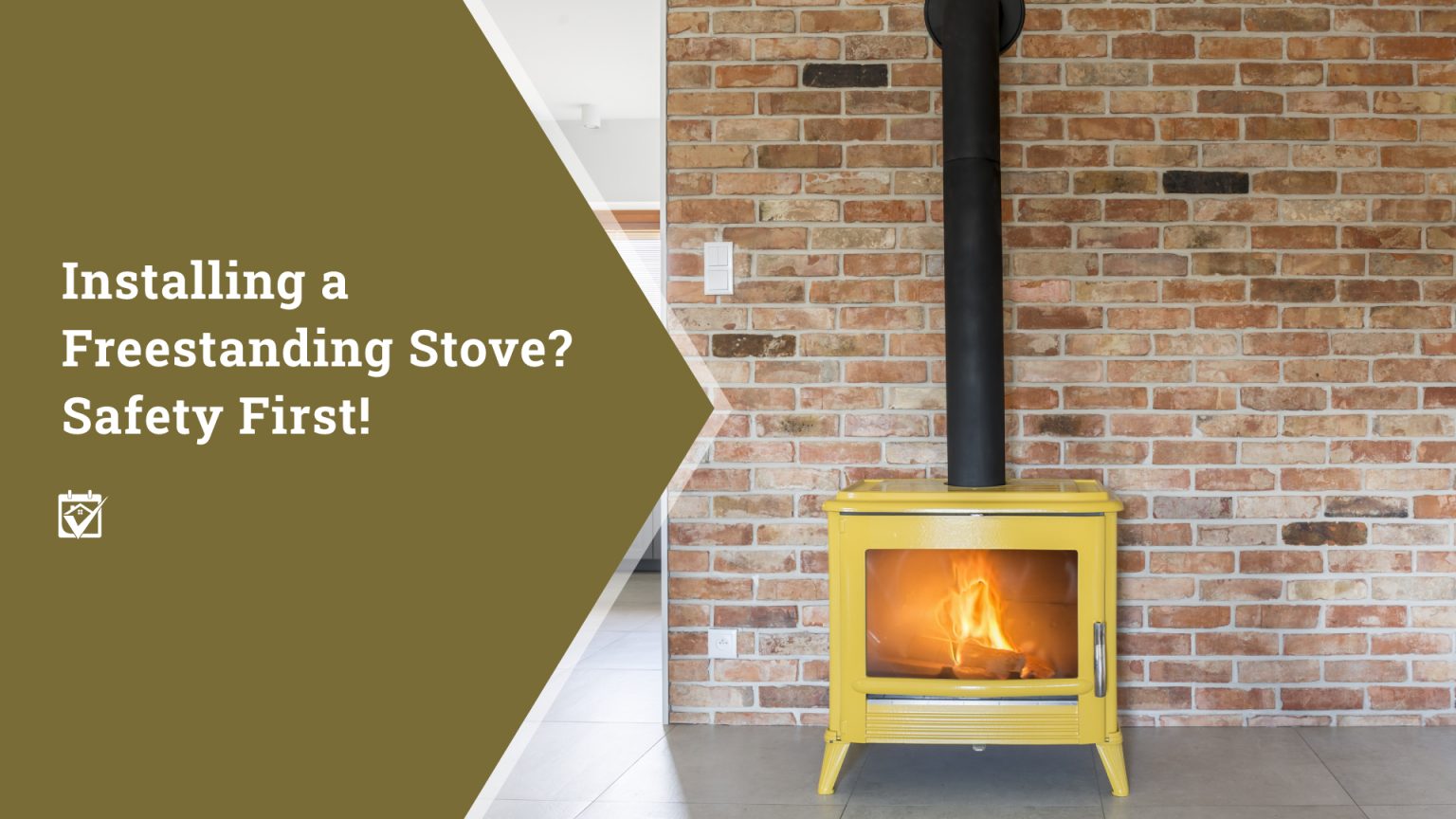
Installing a standalone stove can bring warmth and charm to your house, but deciding on the appropriate location for it is essential to ensure security and effectiveness. The optimal spot not only enhances the stove's performance but also matches your living space. Regardless of whether get more info are considering a wood, gas, or pellet stove, grasping the nuances of their placement can make a significant difference in your overall contentment and safety.
In this article, we will explore important factors to think about when deciding on the location for your free-standing stove. From clearance requirements to adequate venting methods, we will guide you through the crucial aspects to create a comfortable environment that maximizes the benefits of your new heating solution. With careful planning and the correct knowledge, you can enjoy the warmth and design appeal of your stove while following safety standards.
Setup Instructions for Self-Contained Stoves
When it comes to installing a free-standing unit, comprehending the particular requirements for various kinds is essential. For instance, if you're considering a pellet heater, you'll want to follow a comprehensive step-by-step instruction that details the necessary tools, precautionary measures, and the general setup method. For gas units, understanding what every homeowner needs to consider, including gas line connections and venting alternatives, is important. Each kind of free-standing unit has its distinct mounting issues that necessitate meticulous preparation and implementation.
One vital element to think about during installation is the stove's location within your house. It's important to choose a location that maximizes heat circulation while complying with spacing specifications. Understanding how close a heater can be to walls and other combustibles will help you avoid potential hazards. Additionally, a correct base pad is important for protecting your flooring. Creating a hearth pad that complies with local regulations will ensure safety and functionality for your unit.
Lastly, property owners must be aware of the required licenses and checks before continuing with the mounting. Many regions require a construction permit for stove installations, which entails checking local codes and regulations. Additionally, confirming proper installation for smoke and carbon monoxide detectors based on your heater's site is vital for security. Taking these actions will set a strong foundation for a effective and reliable setup of your standalone heater.
Venting and Clearance Requirements
Proper venting and clearance are crucial for the secure installation of your independent stove. The exhaust system is responsible for channeling smoke and gases outside, ensuring that your home remains safe and clear from harmful emissions. When choosing the venting route, take into account local regulations and the specific requirements outlined by the stove manufacturer. Most installations will demand either a chimney or direct vent, according to whether you have a wood, gas, or pellet stove. Always inspect obstacles, such as overhanging branches or nearby walls, that could hinder the exhaust path.
Spacing specifications dictate how much space must exist between your stove and adjacent structures, like walls, furniture, or combustibles. Each stove type has distinct clearance specifications based on size and fuel type. Commonly, wood stoves may require more spacing compared to gas stoves due to their operating temperatures. Be sure to check your stove's installation manual for precise clearance distances to avoid potential hazards and guarantee correct installation.
Even after understanding the basic requirements, it’s essential to account for other factors that may impact installation. Consider the room's layout, airflow, and proximity to combustible objects when choosing the stove's placement. A well-chosen location will facilitate adequate venting and ensure that the stove operates efficiently while maintaining safety standards. Carefully following these guidelines will contribute to a effective installation and a safe heating experience in your home.
Safety Concerns and Upkeep
When installing a standalone stove, safety should always be your highest priority. Ensure that you follow clearance guidelines and keep a safe distance between the stove and combustible materials like walls and fixtures. This is crucial to prevent any fire risks. Regularly inspecting the stove setup, particularly the stove pipe and exhaust system, is also important to spot any damage and tear that could compromise security. Additionally, make certain that carbon monoxide and smoke detectors are correctly placed throughout your home to alert you in case of any hazardous circumstances.
Upkeep plays a crucial role in the long-term performance and security of your stove. It is necessary to clean the stove and its components regularly to prevent soot buildup, which can result in reduced effectiveness and higher fire risk. Inspect and clean the stove pipe and chimney (if relevant) once a year to maintain proper airflow and avoid creosote accumulation, which can catch fire and cause a chimney fire. Referring to the manufacturer's guidelines will provide specific suggestions on maintenance practices for your particular stove type.
In addition to regular maintenance, be mindful of any operational indications that could indicate problems, such as abnormal smoke outputs or odors. Not addressing these issues promptly can result in serious safety concerns. Monitor the stove's operation and don't hesitate to reach out to a professional if you notice any anomalies. Appropriate safety measures and diligent maintenance will guarantee that your standalone stove functions efficiently and securely for many years to follow.