

As winter approaches, the risks on our roadways increase significantly. Snow and ice can create treacherous driving conditions, making it important for neighborhoods to emphasize road safety through effective winter road services. Qualified winter road service providers play a vital role in maintaining safe passage for every driver, from local travelers to critical services, ensuring that our roads are kept clear despite the difficult climate.
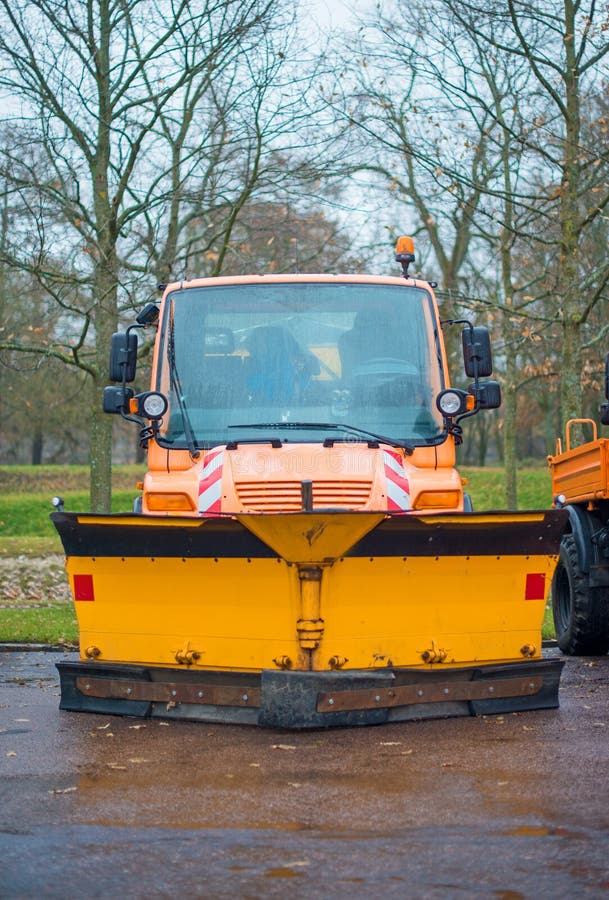
In the following discussion, we will explore why professional winter road services are crucial for community safety, highlighting how active management can significantly lower the number of accidents during snow and ice events. We will delve into the various aspects of seasonal road maintenance, from salting the roads to removing snow, and assess the impact of innovation and meteorological tracking in enhancing operational effectiveness. By grasping Road Sweeping Ireland employed by industry experts, we can appreciate the vital contributions these services make to maintaining road security and our areas operating during the winter months.
The Value of Expert Winter Road Services
Specialized winter road services play a crucial role in guaranteeing public safety during the cold months. As temperatures drop and snow starts to accumulate, the risk of accidents significantly escalates due to slippery and hazardous conditions. By employing expert teams educated in snow and ice management, these services work tirelessly to keep roads clear and safe for travel. Their commitment to timely snow clearance and effective road treatment helps minimize the likelihood of accidents caused by icy surfaces, thereby protecting the community at large.
In addition to enhancing safety, effective winter road maintenance is vital for supporting the flow of traffic and guaranteeing that local businesses remain operational. When roads are well-maintained, they enable commuters to get to their destinations without delay, which is essential for the economy. Professional services are equipped with the necessary tools and expertise to handle even the most severe weather conditions, allowing them to manage snow and ice capably. By keeping roads open, these services play a pivotal role in reducing the economic impact of winter weather on both individuals and businesses.
Additionally, the proactive measures taken by expert winter road services, such as regular weather monitoring and strategic road gritting, contribute to long-term infrastructure preservation. De-icing treatments and timely interventions can diminish wear and tear on road surfaces, extending their lifespan and lowering maintenance costs in the future. These efforts not only preserve public safety but also represent a wise investment for local authorities, helping them meet the needs of winter weather while also addressing environmental concerns associated with traditional snow and ice management techniques.
Best Practices in Winter Road Maintenance
Efficient winter road maintenance is vital for guaranteeing safe travel during harsh weather conditions. One of the best practices is to implement a proactive maintenance plan. This involves pre-treating roads with anti-icing materials before winter storms occur. By applying these substances when the weather forecast forecasts snow or ice, municipalities can stop ice from adhering to the road surface, making it more manageable to clear once the storm occurs. Regular monitoring of weather conditions also augments this strategy, allowing road maintenance teams to adjust their operations based on up-to-date information.
Another important practice is to focus on critical routes and areas that are liable to ice formation. This includes bus routes, emergency access roads, and high-traffic intersections. Focused attention on these important areas not only secures the safety of the motoring public but also contributes to maintain the overall efficiency of road networks. By distributing resources carefully, road service providers can amplify their impact, reducing potential accidents and enhancing response times for emergency vehicles.
Lastly, cooperation and communication between local authorities and road service providers can greatly enhance winter maintenance efforts. Establishing clear protocols for reporting hazardous conditions and coordinating snow removal operations ensures that all teams are working towards a common goal: safety. By sharing data on road conditions and engaging with the community through updates and feedback, road maintenance agencies can cultivate a culture of safety and preparedness that extends beyond mere compliance, ultimately serving everyone on the road.
A Outlook of Seasonal Street Safety
As weather patterns develop, the future of winter street safety is expected to include advanced technologies and strategies. With the increase of intelligent infrastructure, municipalities are more and more adopting smart transportation systems that use current data to enhance winter street maintenance. These systems can observe weather conditions, pavement surface temperatures, and traffic patterns to ensure efficient and effective responses to adverse weather. This preventative approach not only boosts security but also minimizes costs associated with winter road maintenance.
Environmental responsibility will play a crucial role in influencing seasonal highway security. The industry is shifting towards more green friendly practices, such as using biodegradable de-icing agents in place of traditional salt. This shift aims to limit the negative impact on local nature while providing effective ice control. The future will see greater focus on reconciling security, eco-friendly stewardship, and economic efficiency in seasonal highway services, making it essential for service providers to adjust and innovate.
Furthermore, as societies become more prepared to winter weather challenges, public knowledge and education will be critical. Engaging the public in understanding winter road safety measures and the importance of qualified winter road services fosters a norm of preparedness. This collaborative effort between local governments, companies, and residents will ultimately create more secure roads and reduced collisions, ensuring that all can move through winter conditions with assurance.