

As winter sets in, the issues caused by snow and ice can significantly affect the safety and accessibility of roads. Professional winter road services play a essential role in ensuring that roads remain safe for all users, including daily commuters and emergency service vehicles. By employing efficient maintenance strategies, these services not only reduce accidents but also assist local businesses and communities during harsh winter months.
Grasping the importance of winter road services is essential for public safety. Their active strategies, including road gritting, snow removal, and monitoring weather conditions, are designed to mitigate the hazards associated with frozen conditions. In this guide, we will examine the different aspects of professional winter road services, their significance in maintaining safe roads, and the innovative techniques that are revolutionizing how we deal with winter hazards. Whether you are a local authority, a entrepreneur, or simply a concerned citizen, the insights provided here will highlight the significance of these services in keeping our communities secure during winter months.
The Importance of Professional Winter Road Services
Skilled winter road services are crucial for promoting public safety during the harsh winter months when snow and frost create hazardous driving conditions. Without these services, roads can become dangerous, leading to accidents, injuries, and even fatalities. By hiring trained professionals equipped with the appropriate tools and technology, communities can substantially reduce the risks associated with winter driving. This preventive approach to road safety not only protects individuals but also ensures the uninterrupted operation of local businesses and emergency services.
Efficient winter road maintenance plays a crucial role in accident reduction during snow and frost events. Services such as snow removal and road gritting are essential in ensuring roads safe for all users. When municipalities and private contractors take prompt action to treat icy surfaces and remove snow buildup, they proactively prevent the formation of dangerous conditions that can lead to skidding and accidents. The timely and thorough application of de-icing and anti-icing treatments is particularly crucial in diminishing the risk of accidents during adverse weather conditions.
Additionally, engaging professional winter road services helps local authorities effectively manage the challenges posed by severe weather. These services allow for improved planning and execution of winter maintenance strategies, ensuring that roads are properly prepared to handle winter storms. By leveraging advanced monitoring technologies and expert knowledge of winter road management, communities can optimize their response and recovery efforts. This level of preparedness not only enhances safety but also reinforces public confidence in their local government’s devotion to maintaining infrastructure integrity during the winter months.
Best Practices for Winter Road Maintenance
Successful winter road maintenance starts with forward-thinking planning and preparation. Local governments and contractors should formulate a thorough winter maintenance plan that details exact measures for different weather conditions. This plan should encompass tactics for prompt snow clearance, suitable de-icing and anti-icing treatments, and regular inspections of road conditions. Making sure that the right resources, such as personnel and equipment, are in place before the arrival of winter weather facilitates rapid response times and minimizes disruptions.
Another crucial aspect is the use of tech innovations to enhance decision-making and effectiveness. Weather monitoring systems can offer current data on temperature changes, precipitation patterns, and road conditions. By employing advanced forecasting technology, maintenance teams can deploy resources more effectively, ensuring that roads are treated and cleared before unsafe conditions develop. Additionally, data analytics can help identify high-risk areas that may require more consistent attention, allowing for targeted maintenance efforts where they are needed most.
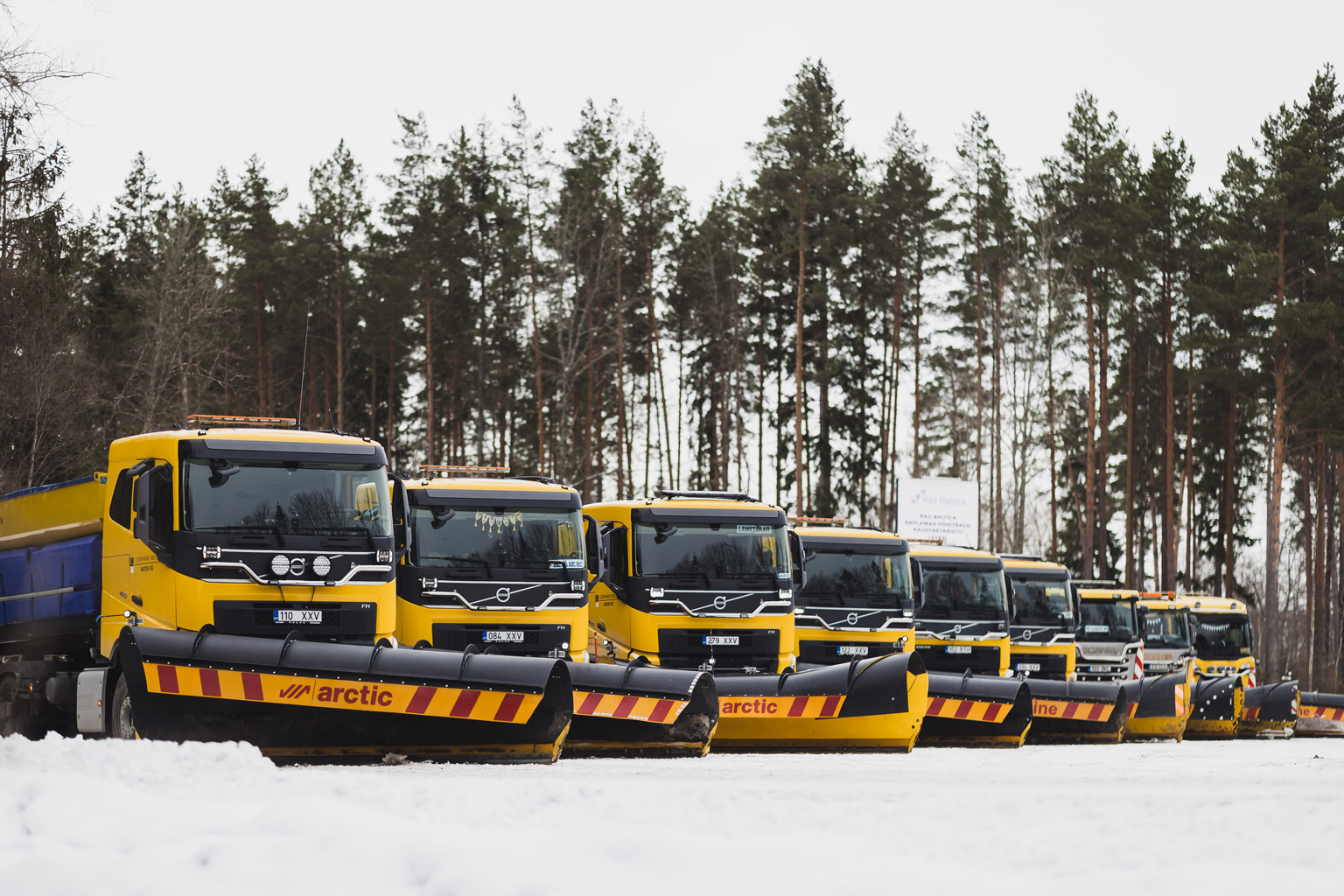
Cooperation is essential for effective winter road maintenance. Local authorities, contractors, and emergency services should collaborate to synchronize efforts and share information about current conditions. Regular communication can allow for quicker responses to shifting weather patterns and ensure that all stakeholders are aligned with maintenance strategies. Training Winter Gritting Ireland involved about best practices and safety measures can further enhance overall efficiency in maintaining secure winter roads.
The Outlook of Winter Road Services
As we advance towards a more technologically advanced era, the prospects of cold weather transportation services is increasingly connected with creative solutions that enhance productivity and performance. Advanced technologies, such as GPS and real-time meteorological information analytics, are set to revolutionize how road status are monitored and managed. These tools enable contractors to anticipate meteorological trends more precisely and deploy resources in a timely manner, ensuring that roads remain secure even during the harshest winter conditions. The combination of AI and machine learning may further enhance snow clearance paths and gritting schedules, allowing for a forward-thinking approach to winter road care.
Environmental consciousness is becoming a key focus in winter road services. Current practices favor eco-friendly options that minimize the ecological impact of traditional ice melting materials. The introduction of alternative products, such as beet juice or salt solutions, provides effective ice control while mitigating harm to vegetation and waterways. Additionally, local governments and contractors are exploring strategies to recycle and reuse materials, contributing to a circular economy. This shift towards sustainable practices not only enhances public safety but also aligns with wider environmental goals.
In the future, the collaboration between technology and sustainable practices will define the next chapter of winter road services. With an heightened emphasis on proactive maintenance approaches, local authorities and service providers will ultimately lower accident rates and improve community resilience against winter hazards. As these innovations become commonplace, the expectation for cold weather transportation will evolve, necessitating ongoing adjustment and flexibility to the challenges posed by climate change and city growth.